
Valentine’s Day puts a lot of pressure on couples to do something big. It’s often the smaller, shared moments — like time spent on the road together — that matter most.
New research commissioned by Ford shows car journeys remain a powerful space for connection. Most Europeans (69 per cent) find it romantic to be picked up for a date. Furthermore, over a third (34 per cent) have had deep, meaningful conversations on the road, and for nearly one in three (31 per cent) — that’s where they have shared a first kiss.
Here are my top tips to make those moments count.
1) Treat the car as a shared space, not a transition zone
For many couples, the car has become a place to switch off rather than tune in. Phones come out, playlists go on autopilot, and the journey is something to “get through”. This Valentine’s Day, try reframing your vehicle as a shared space — a moment where you’re together without distractions competing for attention.
2) Let the drive set the tone
The emotional tone of a journey matters more than we realise. When driving feels calmer and less demanding, couples naturally relax — and relaxed people connect more easily. Road rage? That’s a deal breaker for 39 per cent of people, according to the survey. A smooth, comfortable drive can shift the energy from rushed and reactive to present and open.
3) Create a phone-free moment (even briefly!)
While the driver’s attention is rightly on the road, passengers can lead the way in creating a distraction-free zone. Suggest putting phones away — even for just ten minutes. This simple act can change the whole dynamic of a journey, removing digital distractions and making space for real connection. Sitting side-by-side often makes it easier to open up emotionally, and a short phone-free stretch can turn a routine drive into a surprisingly meaningful check-in.
4) Create small rituals
Romance doesn’t need to be dramatic to be effective. Small, repeatable rituals — a shared playlist, a favourite route, a coffee stop you always make together — help build intimacy over time. These moments become emotional anchors, reminding couples that connection often lives in the ordinary.
5) Use journeys for gentle conversations
Cars are uniquely well-suited to deeper conversations. You’re not facing each other directly, which can make vulnerable topics feel safer to explore. Whether it’s reflecting on your week, sharing hopes for the year ahead, or simply laughing about something small, journeys offer a natural container for connection.
6) Remember physical affection counts, too
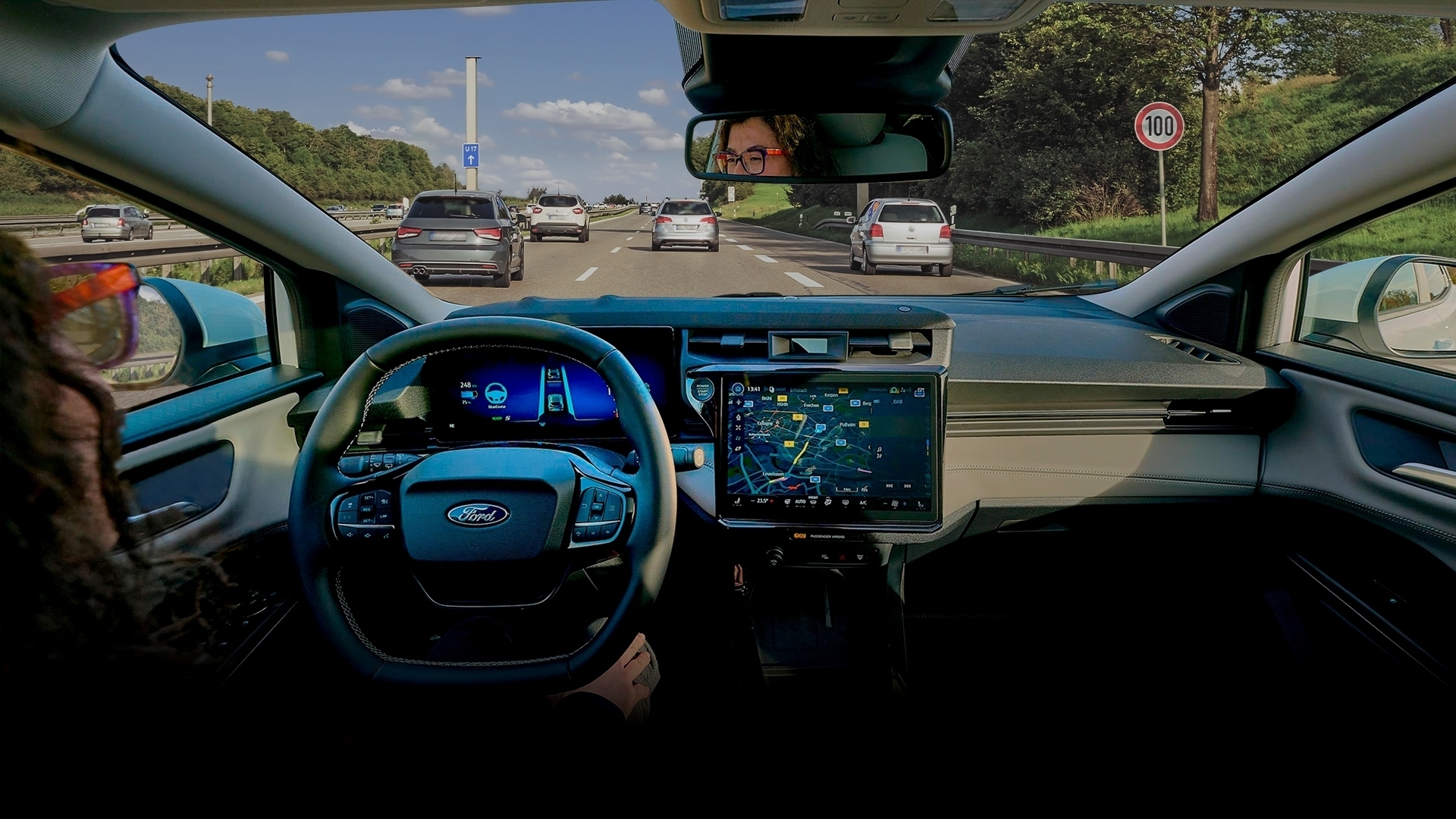
Connection isn’t always about talking. A hand squeeze or a shared smile all create micro-moments of closeness. It’s not surprising, then, that Ford’s study found exactly half of Europeans would be more likely to reach for their partner's hand if technology could ease the demands of driving. Technologies like Ford BlueCruise, 12 which allows for hands-free driving on approved motorways, can help create that calmer space, giving you the freedom to offer a reassuring touch and focus on your time together.
7) Embrace shared silence
Not every drive needs to be filled with conversation. Comfortable silence is often a sign of emotional closeness. Being able to simply exist together — without filling every gap — helps couples feel more secure and at ease with one another.
8) Let the journey matter as much as the destination
Valentine’s Day doesn’t have to be about extravagant plans. Often, it’s the in-between moments that linger longest. When couples slow down and allow journeys to become part of the experience, connection happens naturally — one drive at a time.
Persia Lawson is a dating and relationship expert. Follow her on Instagram here https://www.instagram.com/persialawson/

1 Available in selected countries on selected Puma, Puma Gen-E, Kuga, Ranger PHEV and Mustang Mach-E models. Driver’s eyes must remain on the road ahead to enable use of BlueCruise hands-free driving. It does not replace safe driving.
2 Driver-assist features are supplemental to and do not replace the driver’s attention, judgement and need to control the vehicle.